My previous visit to the Göttingen City Cemetery was on the second of October, four months ago. I guess this is poised to become a tradition. Though, as this essay hopefully makes clear, future trips are unlikely to generate new essays or photo journals.
(more…)Category: FWNotebook
-
PhD Thesis – Open access
The document is mirrored at
https://researchspace.auckland.ac.nz/handle/2292/69336
2 August, Göttingen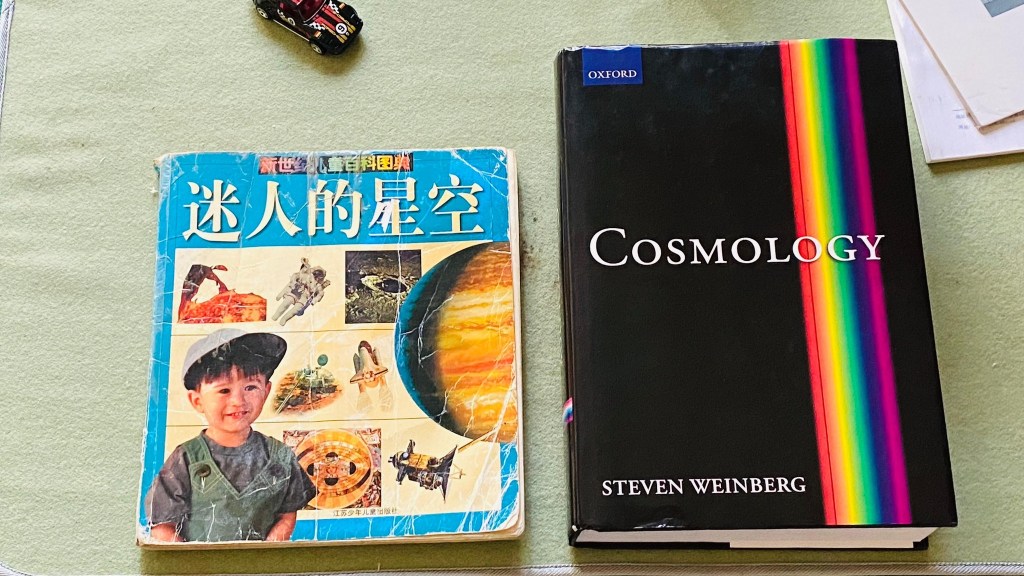
-
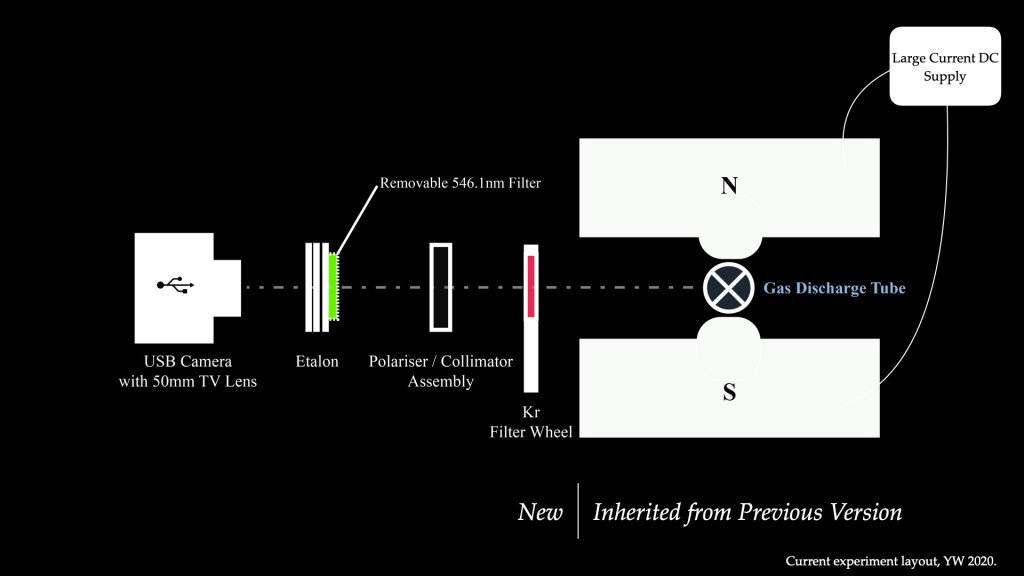
e342 – The Zeeman Effect (Experimental Design Review)
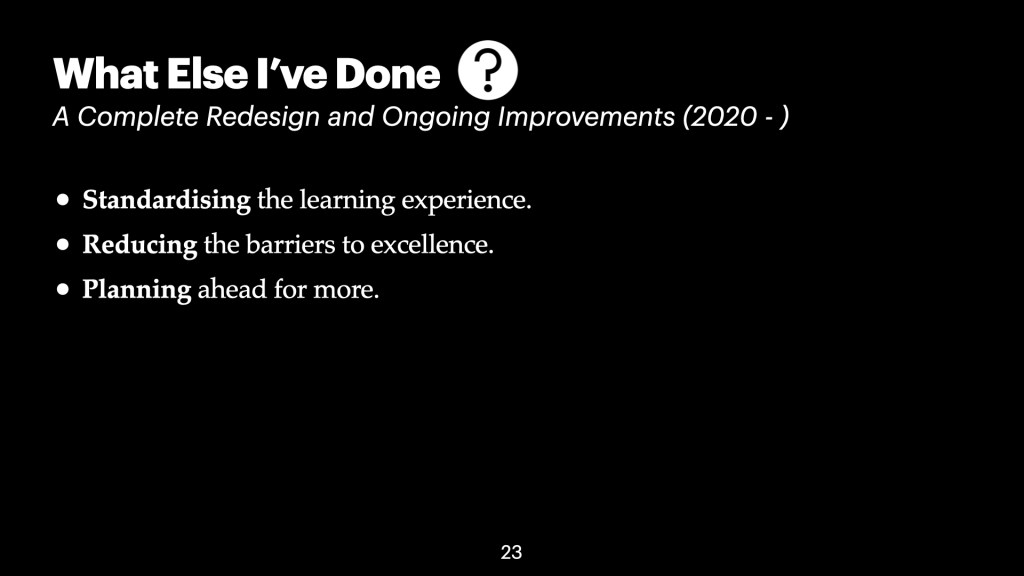
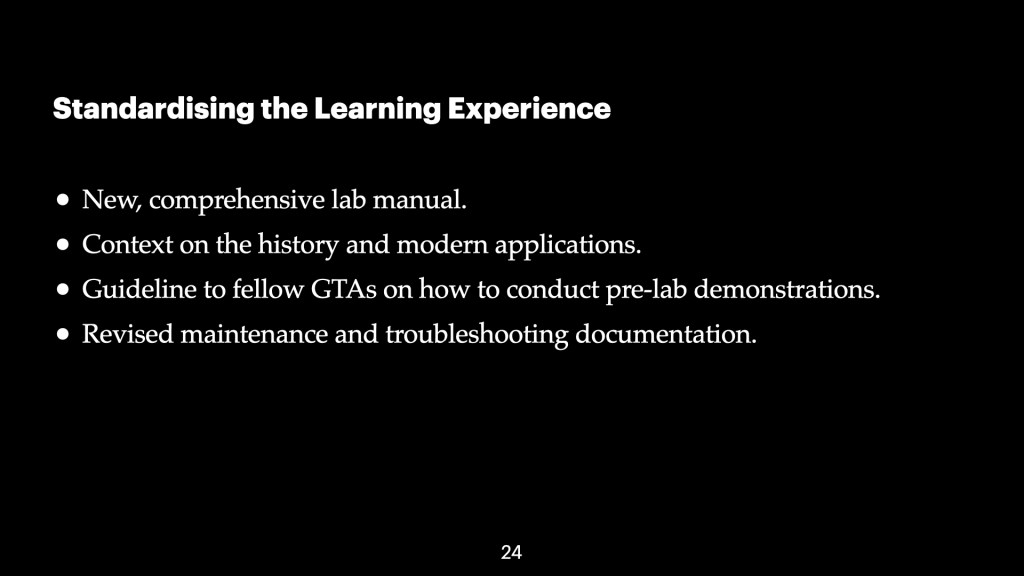
The following attachment is a review presentation that I prepared as part of my application to lead the Auckland Advanced Physics Lab next year, for which I am unsuccessful.
The inability to tell beginnings and pinnacles apart is an ever-relevant phenomenon of the human condition.
References to internal and other previliged material have been removed.


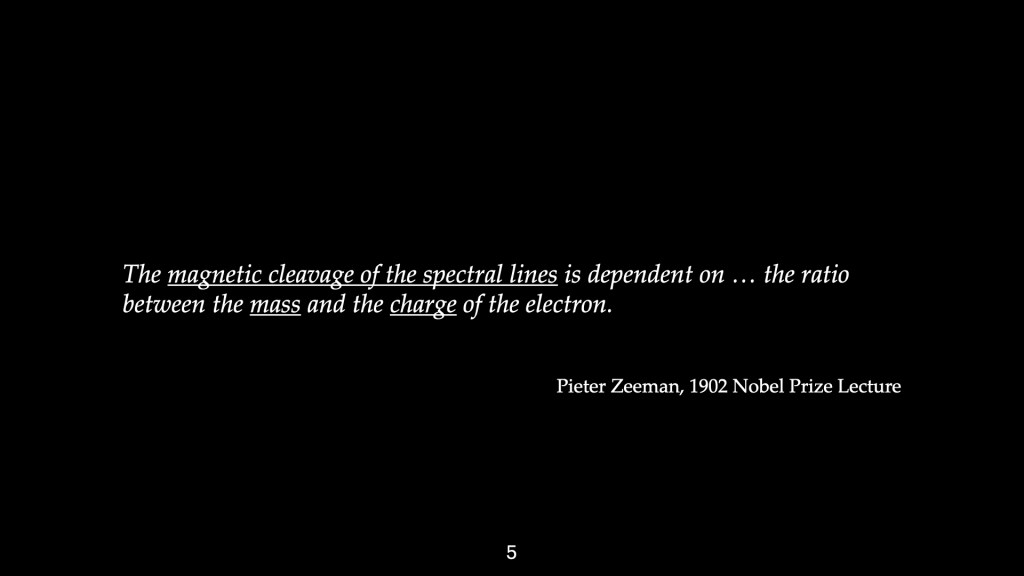


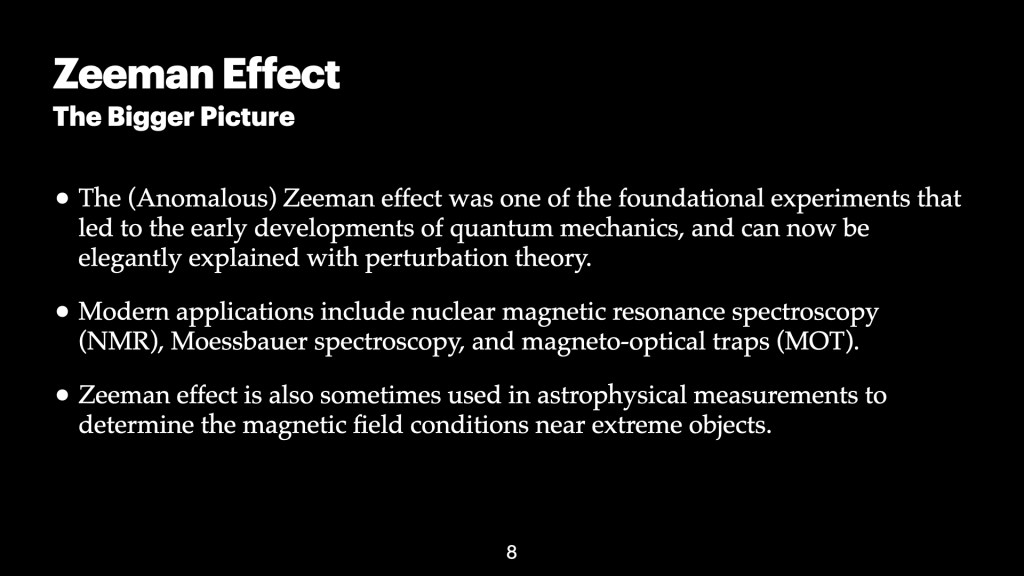
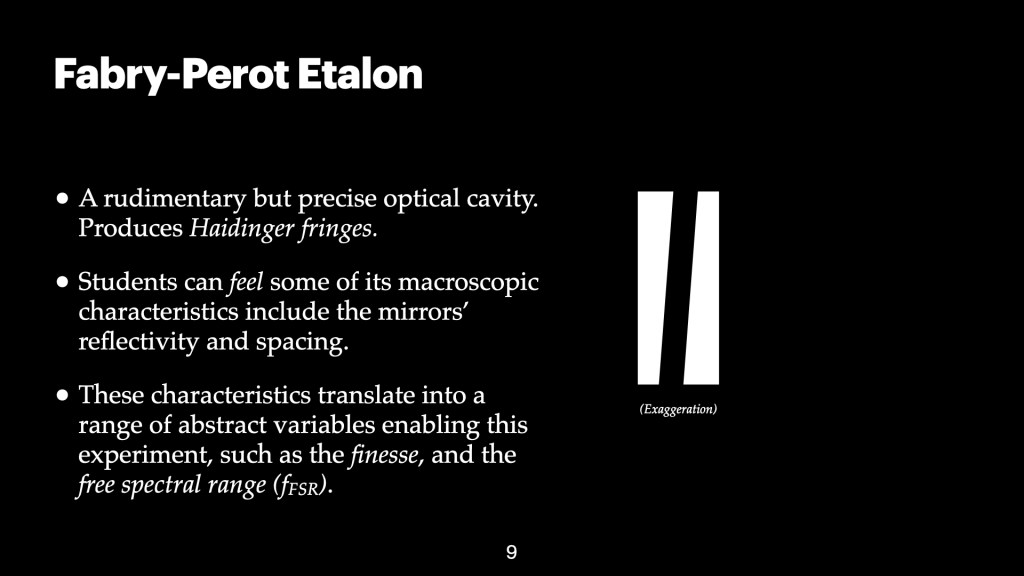







-
Baristas and Elliptical Galaxies – 00
What kind of galaxies have the highest entropy?
Late at night, waiting for a hyped-up rocket launch, I stumbled upon an old attempt to calculate the entropy of my simulated dark matter ensemble while idly scrolling my old code from my first year of PhD. It wasn’t used in any published result, other than confirming that my simulation indeed had the correct arrow of time. Still, now, years later, I decided to take a leap of faith, don the dusty eyeglass of Boltzmann et al. and paint a picture of galaxies through the language of thermodynamics.
For a long time, galaxies were viewed as glittering groups of stars orbiting one another, but modern cosmology has revealed a much more profound picture. Galaxies — the glowing bits — are lively participants in a complex environment shaped by the presence of dark matter halos, and stars themselves are the result of complex physics concerning the motion and evolution of interstellar medium. The evaluation of a galaxy’s entropy is a complicated task, requiring an understanding of all relevant physical processes. I think a rigorous computation takes a PhD project, maybe several.
In this mini-series, I aim to provide an undergraduate-friendly overview of the basic thermodynamic description of gravitationally bound particle ensembles, as well as the isothermal sphere model, and some astrophysics concerning the possible life histories of elliptical galaxies. While the topic may seem daunting, I believe it is fascinating to explore the relationship between entropy and the complexity of galactic structures.
Join me as I dive into this exciting field, drawing parallels between coffee-mixing and dark matter’s role in the cosmos.
-
[FWN Special] Journey to Dirac Spinors and the Dirac Equation
Yesterday (8 / 8 / 2022) was the 120th birthday of P.A.M. Dirac. It’s been a long time, “enough time to fit a lot of progress in there”.
In his honour, I proceeded to dust off my QFT and related maths notes from long ago and will attempt to present a modern journey to the Dirac equation and the description of relativistic spin-1/2 particles, from the mathematical formalisms.
Notes will be gradually posted during the week. Full references and additional work will be updated on the final page of this blog post.
Intro Update 2 (17 Aug 2022)
This essay / note will be arranged in a pedagogical order, without much historical burden of the order in which things were discovered. I take this inspiration from schools such as MIT who famously teach quantum mechanics to undergraduates in a similar fashion.
Section 0 will be a mathematical toolbox of the relevant results we will use, such as some group theory basics and Clifford algebra (needed to properly understand Dirac gamma matrices). In Section 1 we will outline the definition and properties of the Lorentz Group, and reach the Klein-Gordon equation for a scalar field. In Section 2 we consider the effects of spin, and work towards the Dirac equation and Dirac Lagrangian, all from first principles.
-
FW’s Cosmology Unwrapped 2021: a year of papers in Review [Ongoing]
A summary of papers I keep in a special Mendeley folder: stuff that I consider big news and major developments in the field of cosmology and nearby areas.
I will do one every year from now on. This is aimed at a general physics audience, and the stories are not presented in any particular order.
(more…)

 Yourong Frank Wang