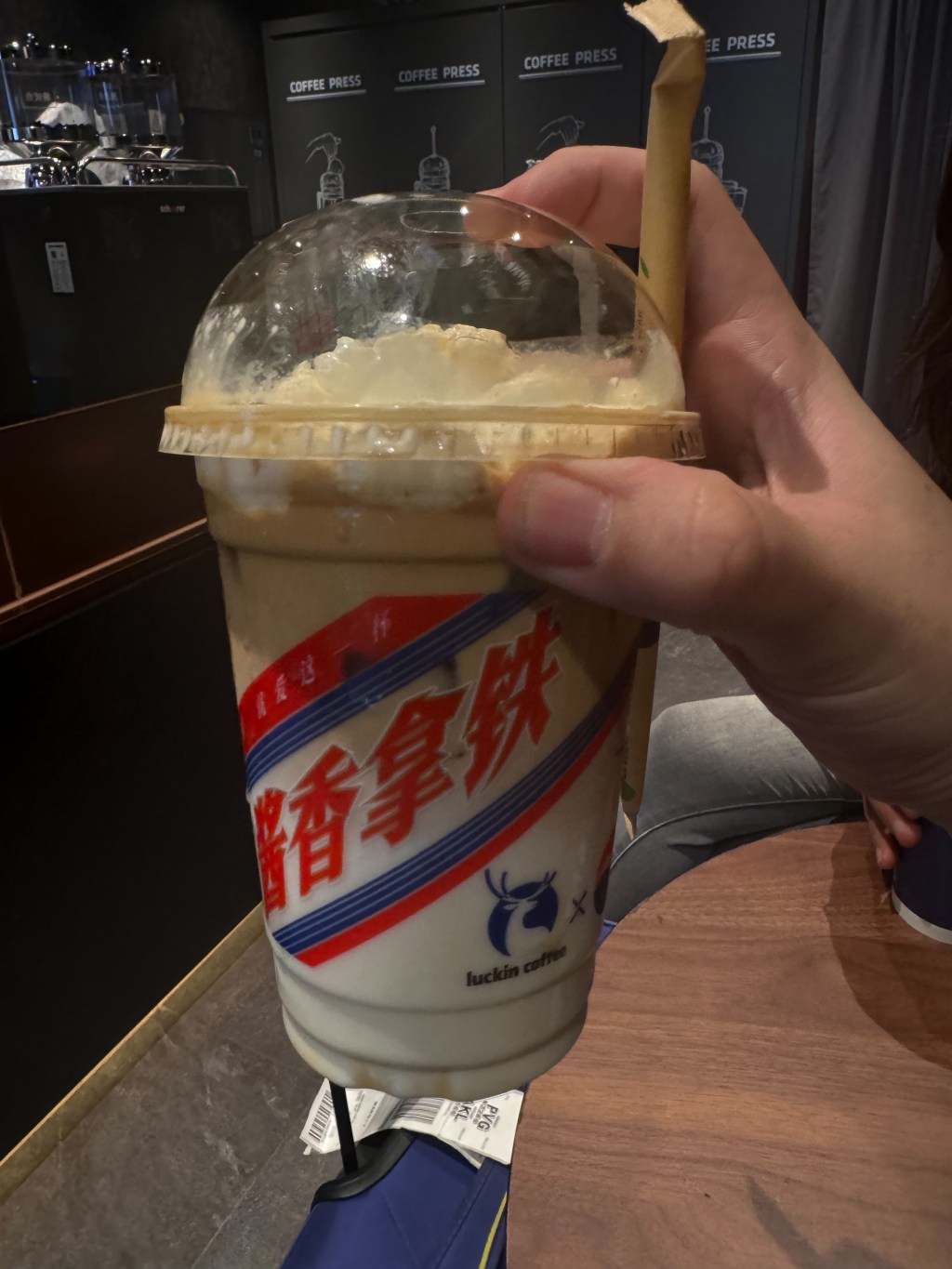
For the ones on the go with a thirst — not quite for water, but rather a self-contained culinary adventure.
My first encounter with the modern Chinese boba scene was not a success. It was mid-2018. I disembarked from the Meglav in Shanghai, after a flight home from San Francisco. I’d grown up drinking powdered TW-style milk tea in China; my analytical mechanics homework was single handedly enabled by Gong Cha … I thought I knew what a boba shop was.
What I did not know was that while I’d been away, the entire industry had apparently undergone a Cambrian explosion, and the shop I walked into was a sleek, queue-managed, entirely cashless operation that had no mechanism for accepting the RMB bills in my wallet for years (or even my credit card!). The staff were perfectly pleasant about it. The infrastructure simply did not include me.
Mainland China’s milk tea and fresh beverage scene is one of the more quietly remarkable consumer phenomena of the past decade: denser, faster-moving, and more technically ambitious than most outside visitors expect. The major chains iterate their menus seasonally, source tea with the seriousness of a wine program, and have built ordering infrastructure so frictionless that accepting cash would feel almost retrograde. If you arrive expecting the boba shop experience of your home country’s Chinatown, you will find something related but substantially more evolved.
This guide is for the traveller who wants to participate rather than spectate. We will cover three things: how to pay and order, who the major national brands are and what they’re trying to do, and, thanks to a brief period of online notoriety, how much caffeine you are actually drinking.
I also remark that the boba shop is a surprisingly good vantage point onto the socioeconomic change in the land: cashless payment rails, micro stores, the mini-program ecosystem, the way ordering and loyalty and delivery have collapsed into a single phone-shaped interface. You can read about all of this in think-pieces or financial reports, or you can experience the whole stack by trying to buy a drink. I’d rather you do the second. This guide is, in part, a neutral window onto how a society organises a very ordinary transaction in 2026.
 Yourong Frank Wang
Leave a comment