[Photo Journal Express] Phaeno BubbleMania

Today, 14 October, finds me back in Wolfsburg with my annual ticket to visit my backyard Popsci Oasis, the Phaeno Interactive Science Museum, across the railroads from Volkswagen HQ. For the Lower Saxony school holidays they are running #BubbleMania, or as I would prefer to call it, UnbegrenzteSeifenwasserverfügbarkeitssituation (Unlimited Soap Water Situation). And I am glad to have visited it on the opening day.

While at LUX we have extensively worked with bubbles (and written off the 0,49 EUR annual bubble solution cost in the FWPhys company return), it is different to see something like this: at scale, with proper equipment, implemented by experts, and enjoyed by a large gathering of the public. In the same breath I need to explain what this post is not — I do not intend to take for granted the thoughts and care of the team behind BubbleMania, and will rather focus on what I could do in the playgrounds they provided. The Nikkor 105mm macro lens was the main lens used in the following images.

Bubble photography fundamentally misses the personal aspect: like rainbows, the iridescence and reflections of a bubble are personal to the viewer and their ability to shift perspectives at will, in real time. Still, I hope the perspectives and moments I have frozen are interesting nevertheless.
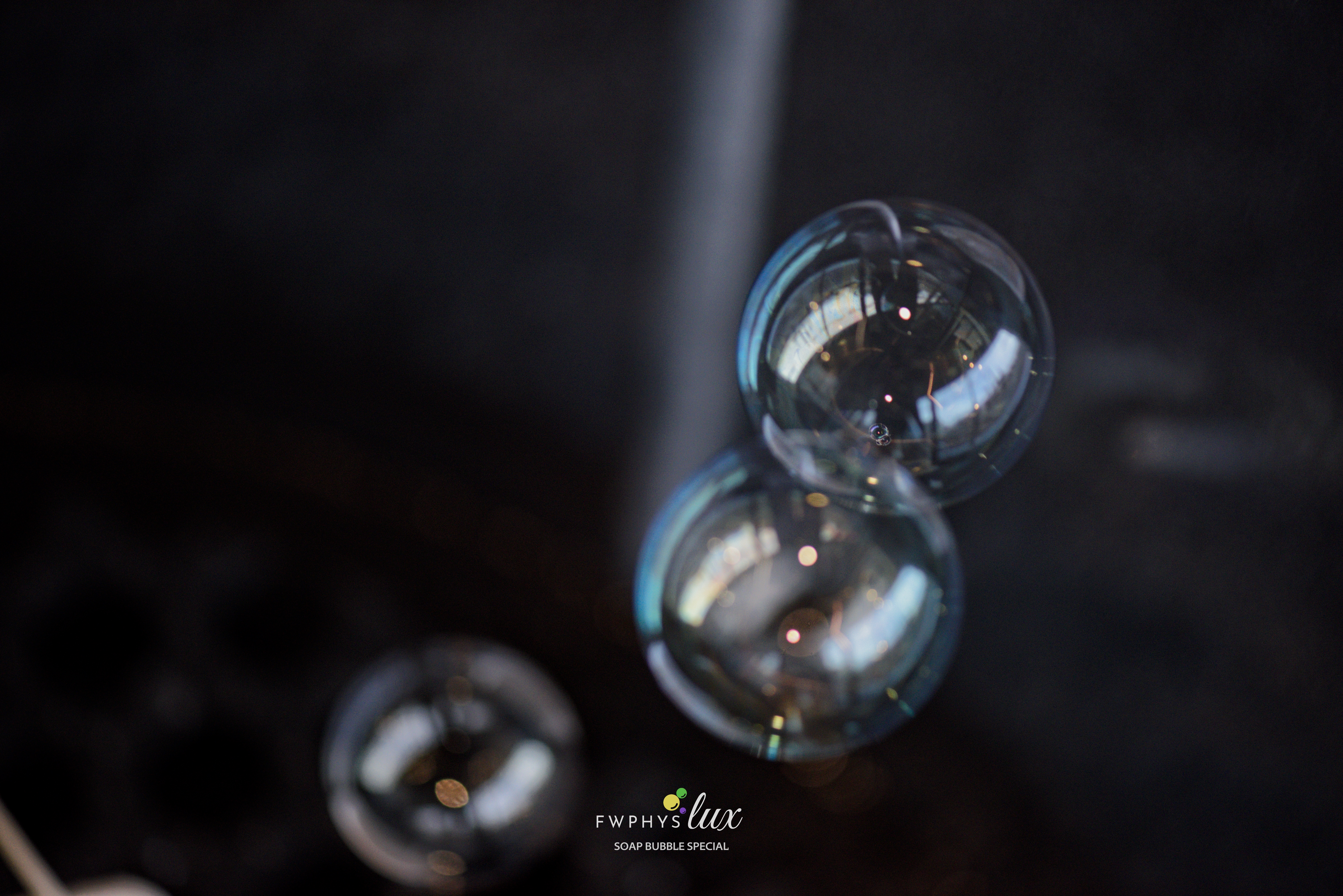
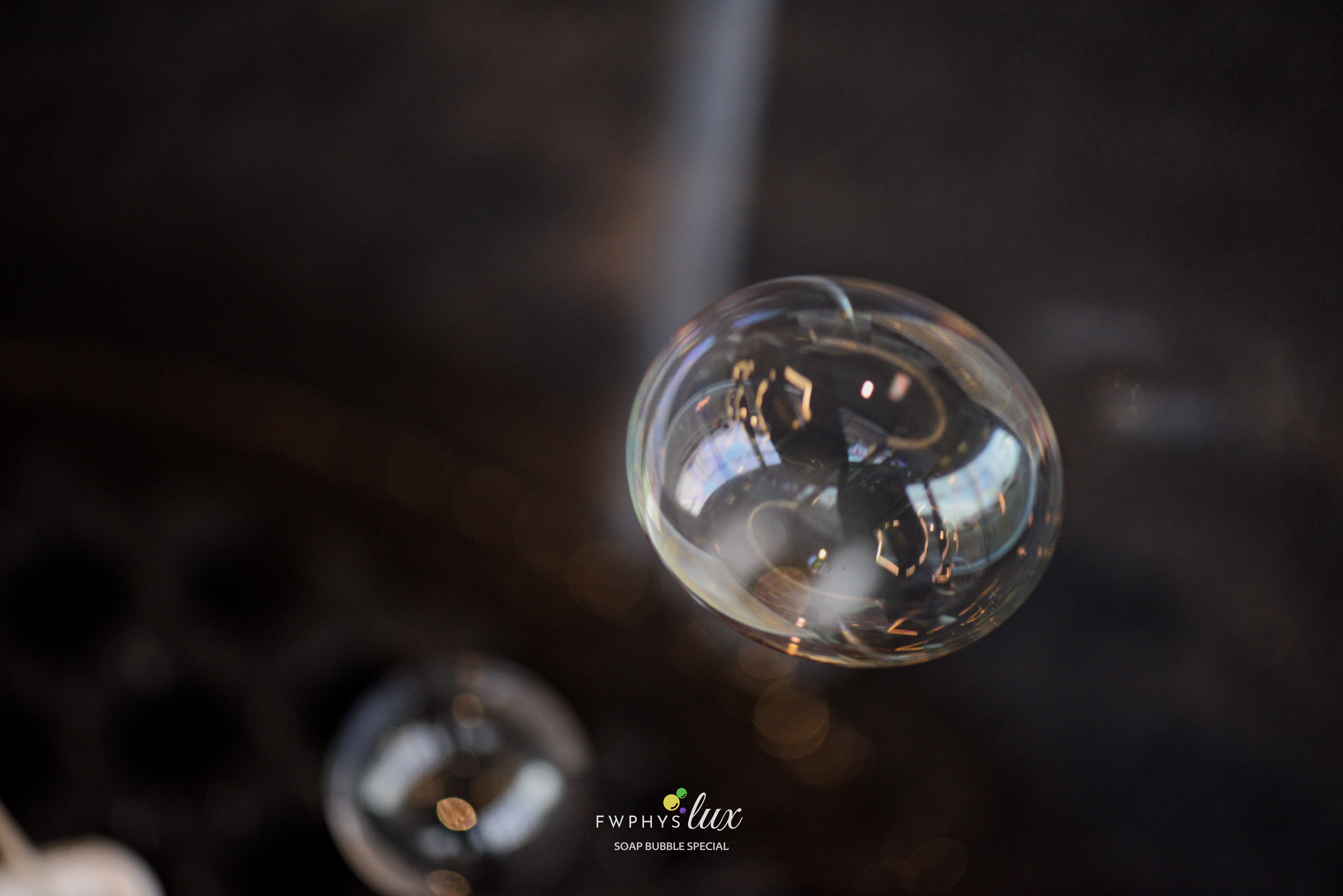
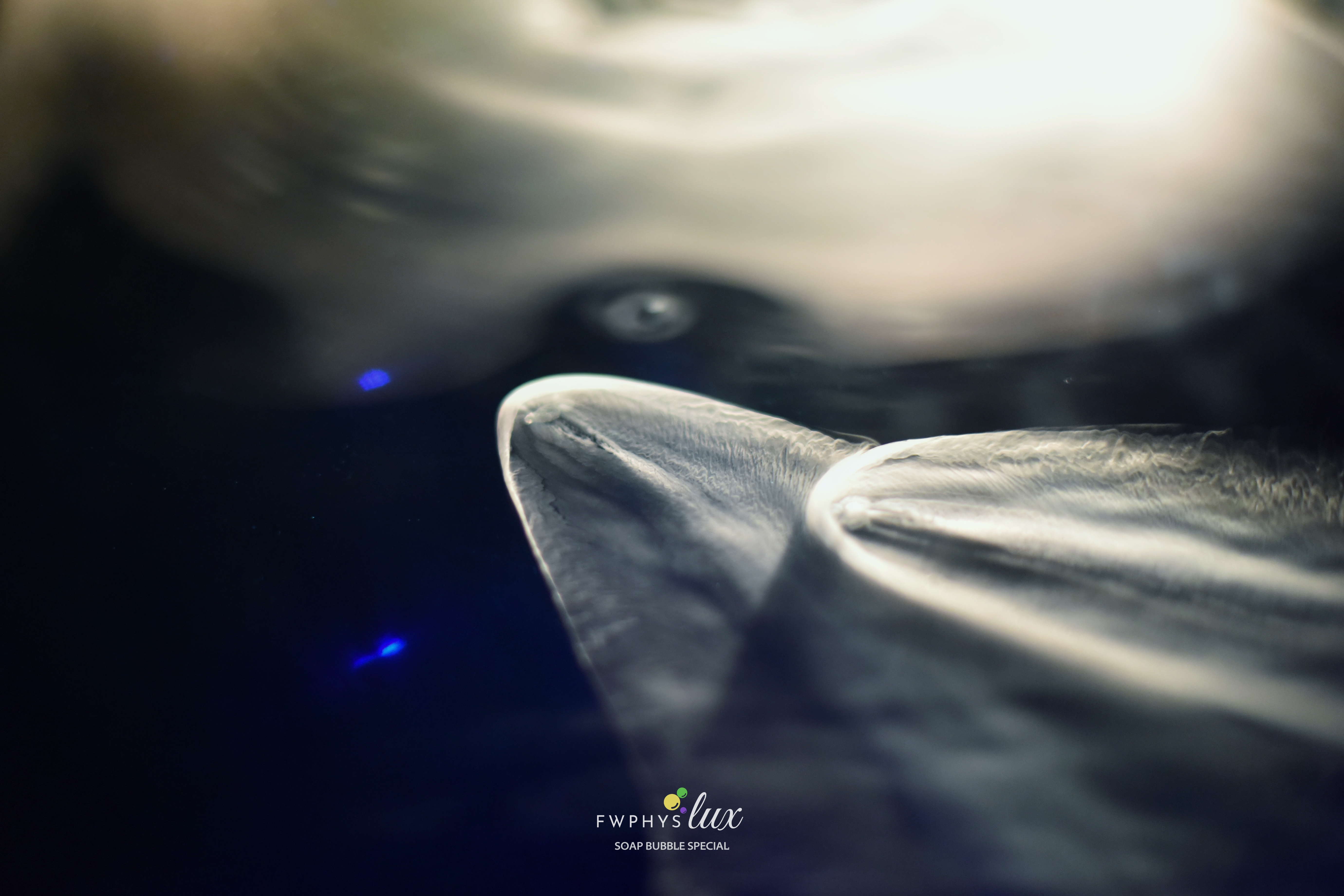
Bubble Merger captured in a levitation chamber
A large bubble from the same chamber.
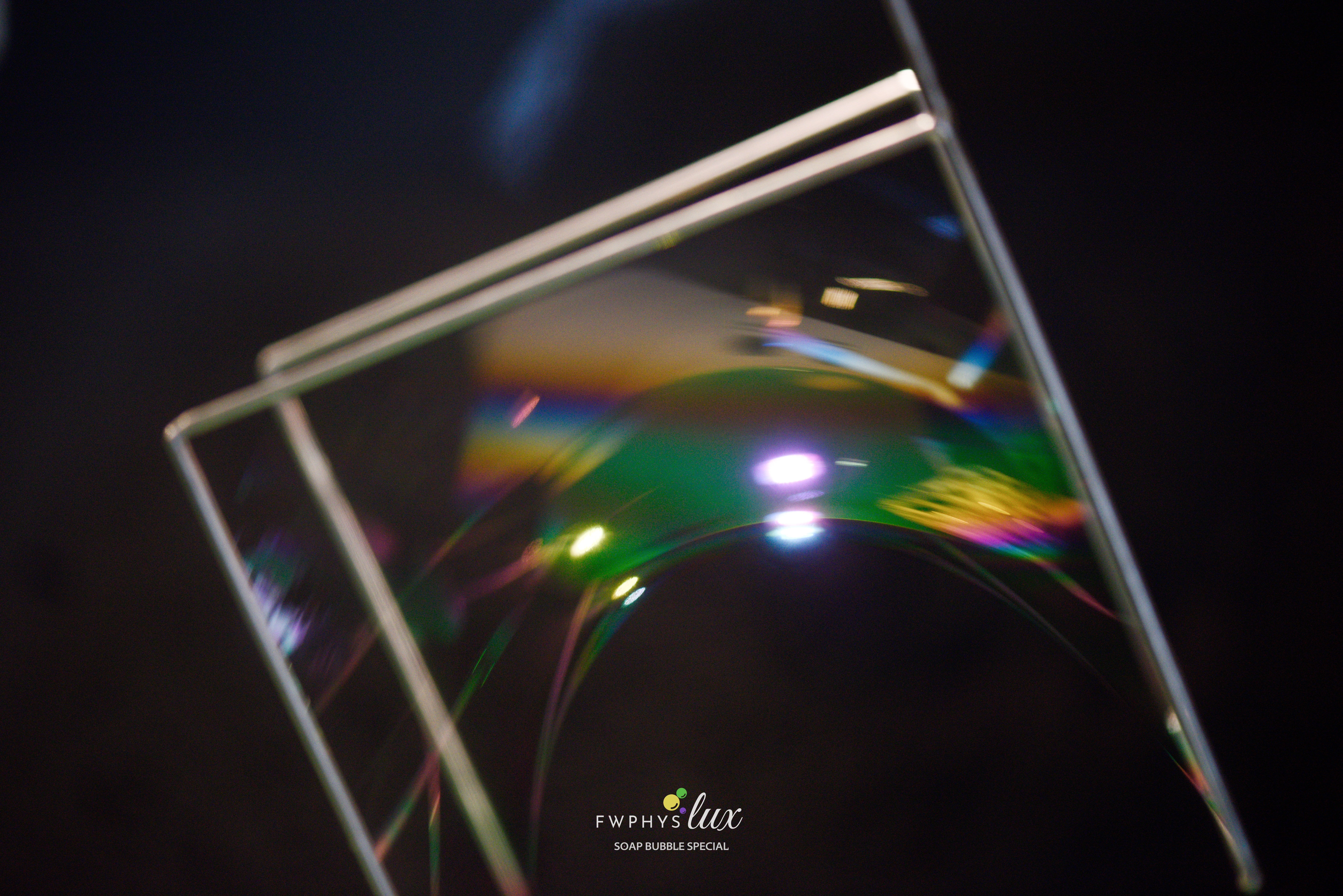
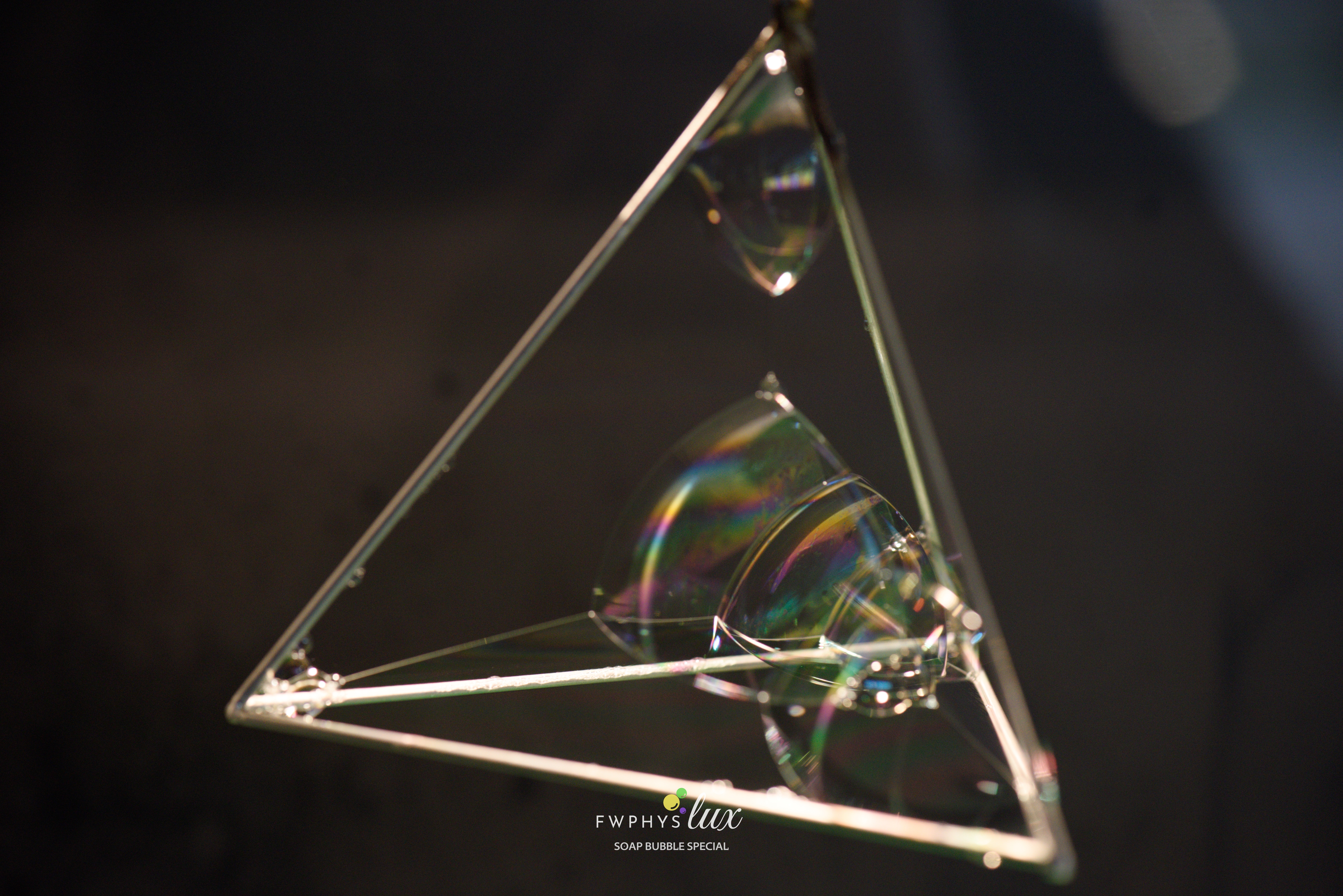
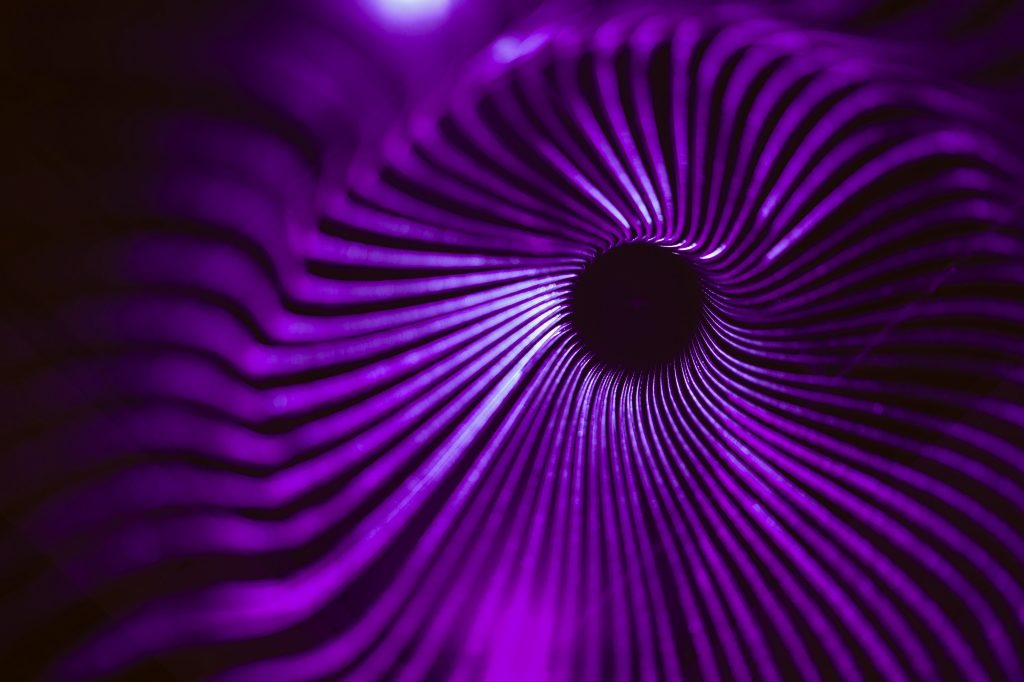
Minimal Surface I: a metal frame dipped in bubble solution and gently lifted out of the bucket will retain films that minimise surface area given the frame as the boundary. This has been used in both nature-informed architecture and mathematical physics.
Minimal Surface II: here the bubbles reached a local minimum of surface area but not the global. At Auckland I had prototyped a Stage II experiment whereby the student builds a frame and compares obtained soap films against simulations. It was ultimately not added to the lab roster as its flow was different from everything else in the curriculum.
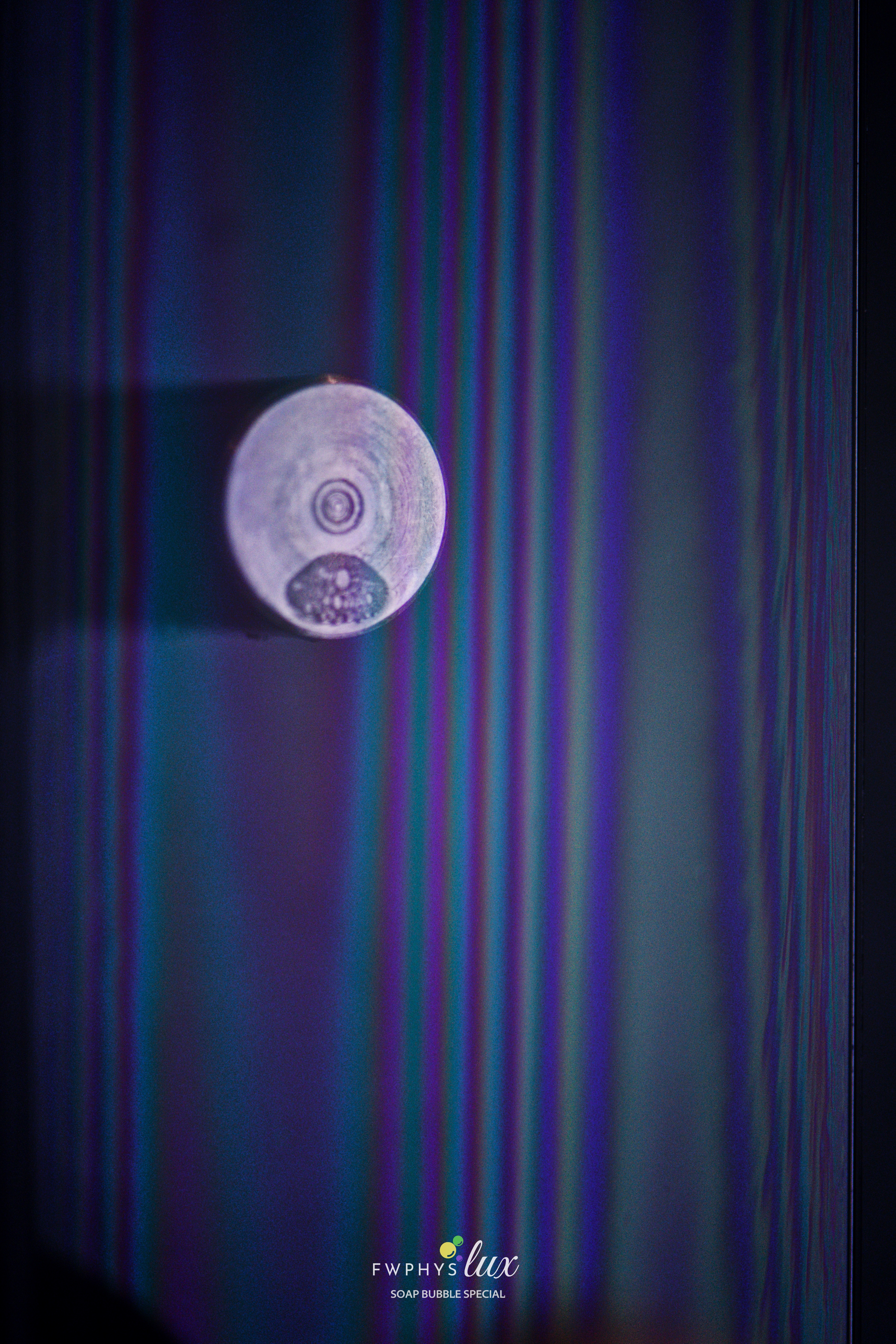
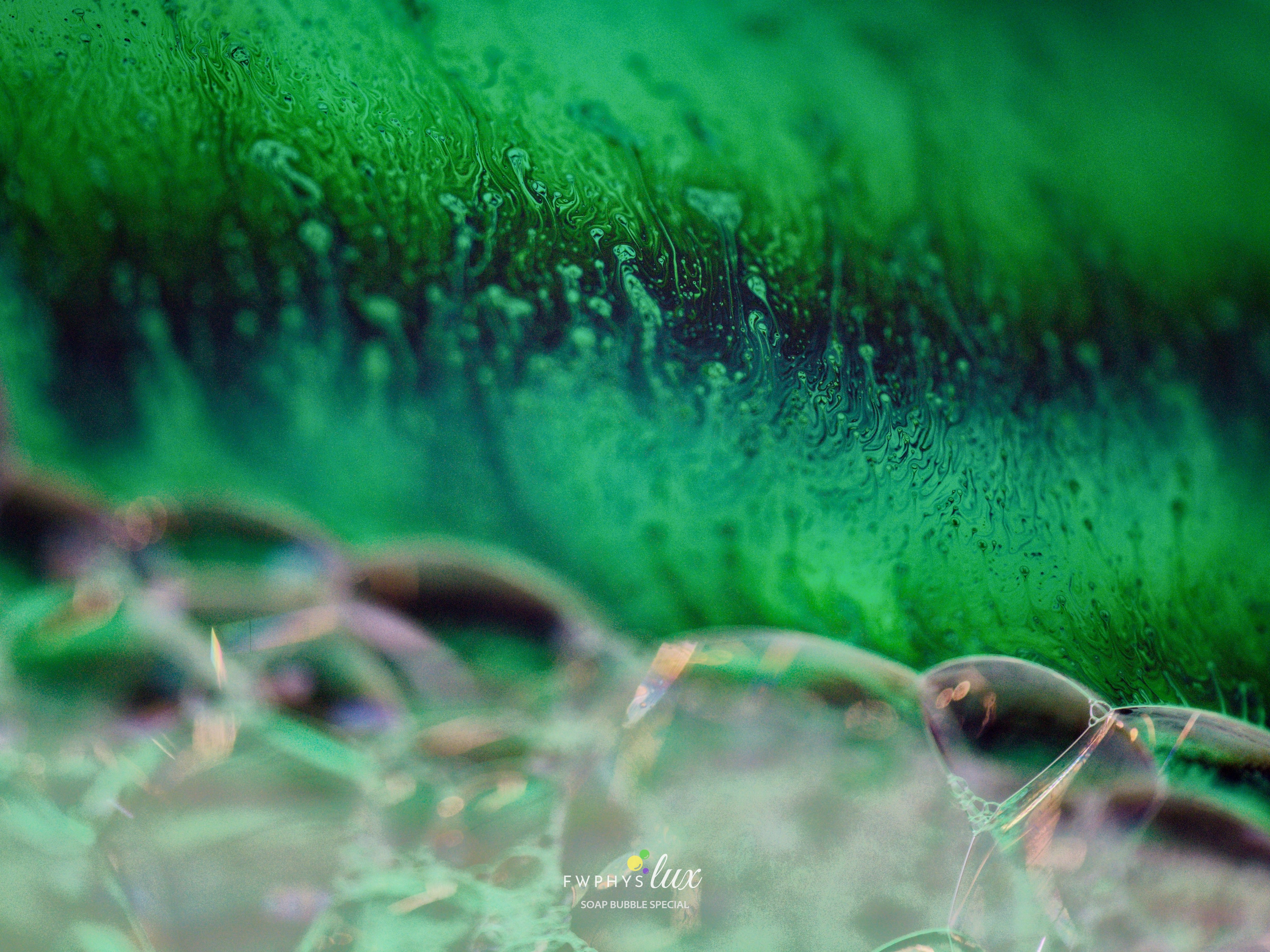
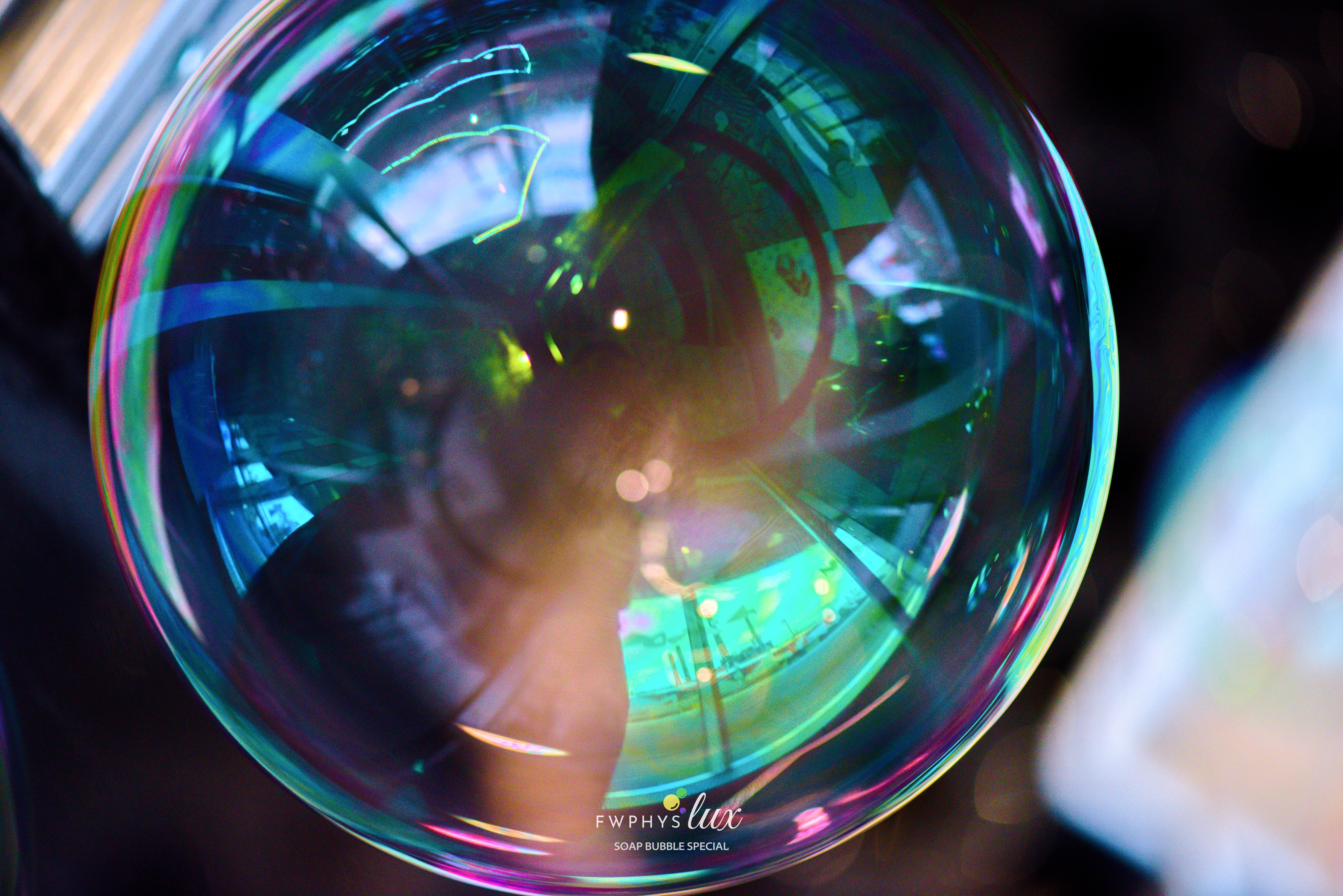
Thin Film I: Under polarised illumination, interference in the soap film reveals a shifting landscape of colours associated with its varying thickness.
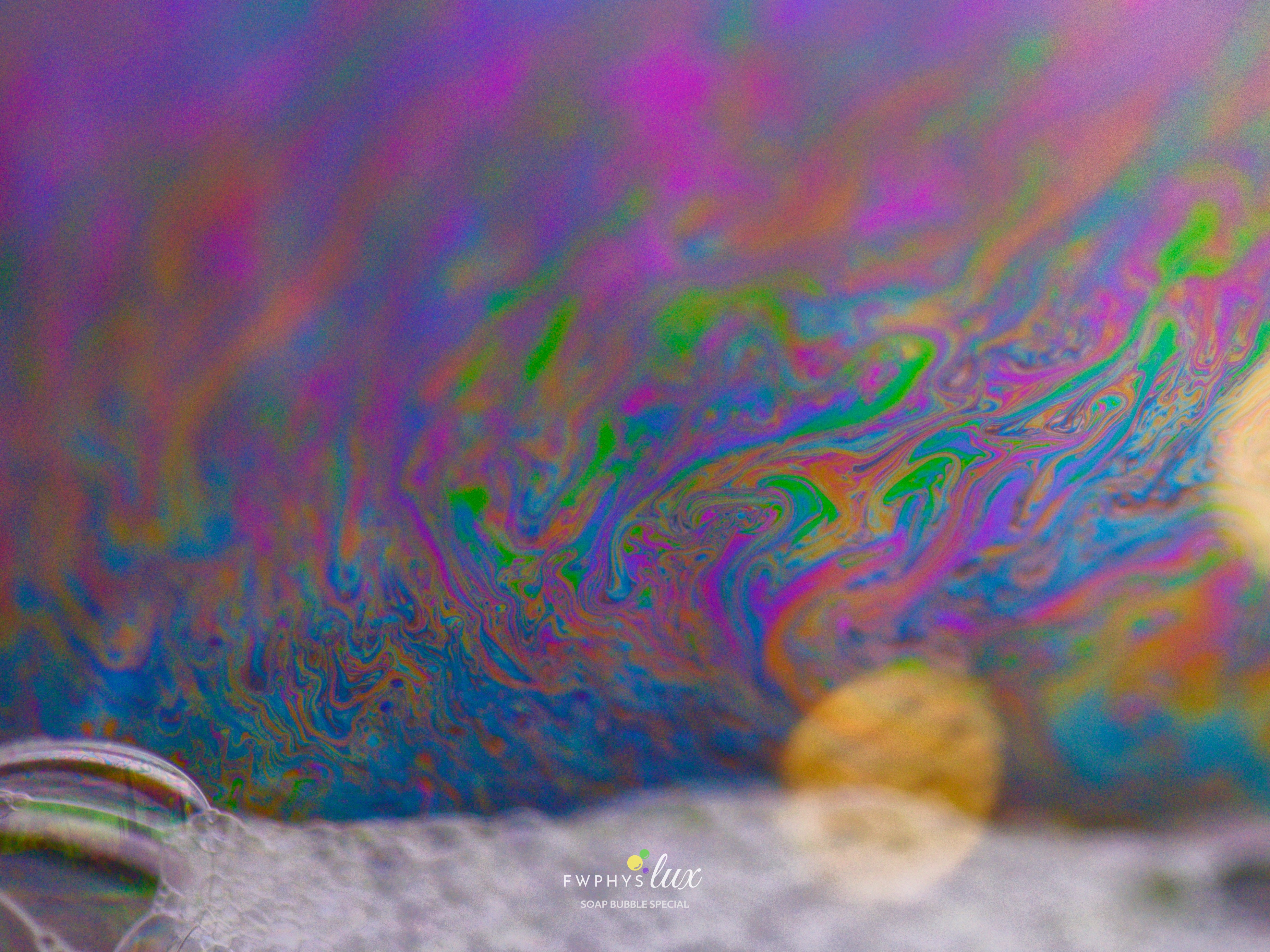
Thin Film Macro I.
Thin Film Macro II.
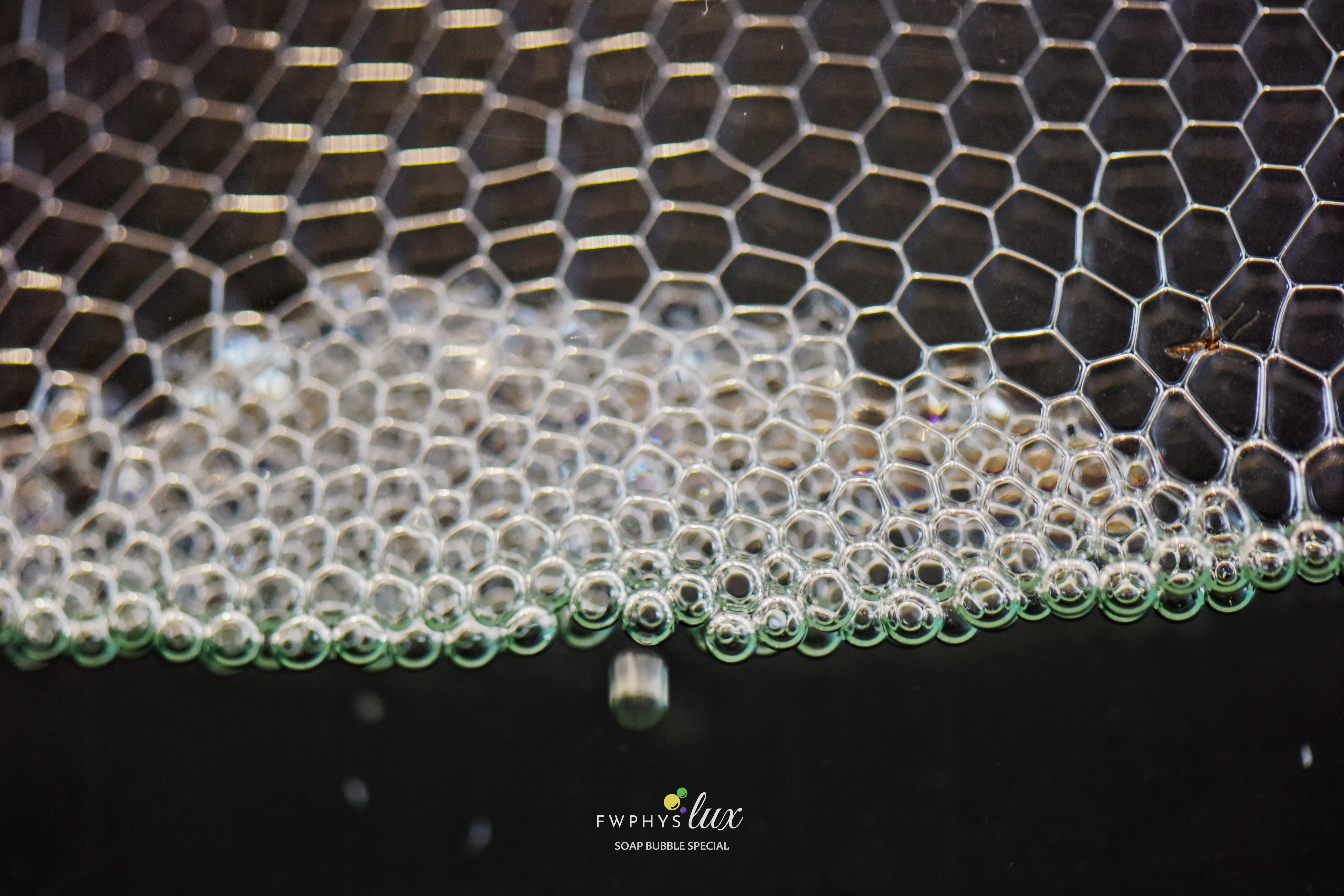
Bubble Assembly in 2D: between two acrylic panels is a tiny gap filled with some bubble solution. By gradually pumping air into it one achieves this layered look where bubbles decide between merging and tiling.
Dry Ice Wake: two small blocks of dry ice float on water as they rapidly go around a shallow dish. I’d fantasised about this when I was a chemistry student.

Leave a Reply

This site uses Akismet to reduce spam. Learn how your comment data is processed.